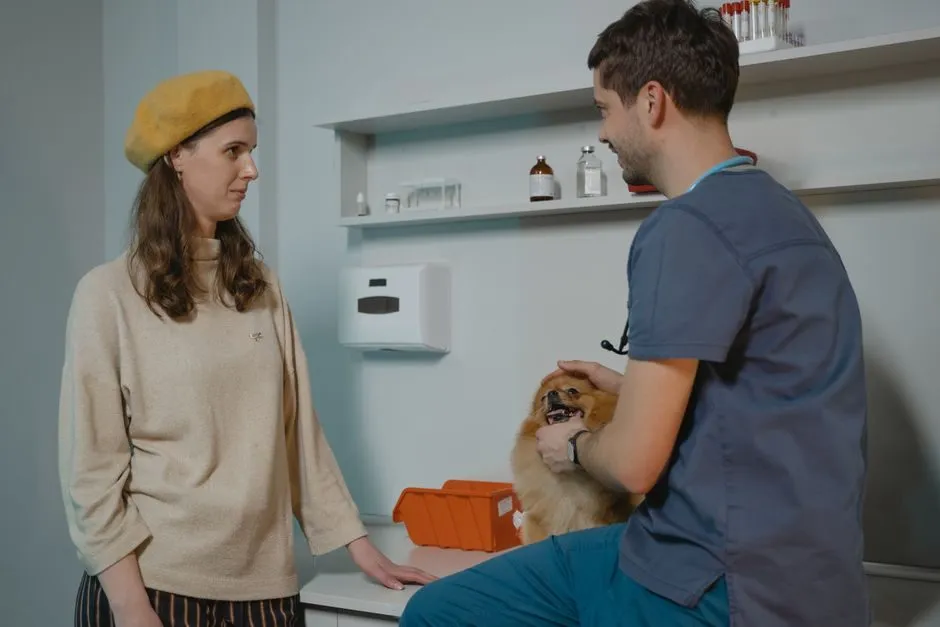
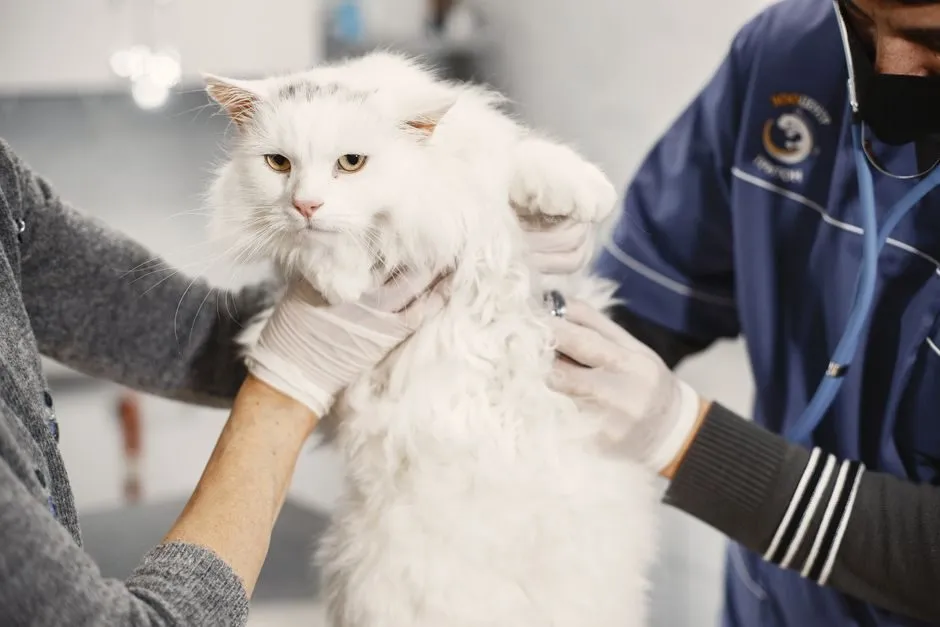
As a pet owner, it can be stressful and confusing to know when your dog or cat needs immediate attention. Every pet will have the occasional upset stomach or minor scrape, but some symptoms can signal a more serious problem that should not wait. If you are searching for an urgent care vet in Fayetteville, AR, you are likely worried about whether your pet’s condition requires prompt evaluation or even emergency treatment. At LocalVet Urgent Care Fayetteville, we understand how important it is to get answers quickly and to know your options when your regular veterinarian is closed. Our clinic at 2559 E. Huntsville Rd., Fayetteville, AR 72701 welcomes walk-ins during evenings and weekends, offering compassionate after-hours care for cats and dogs in Fayetteville and surrounding communities. In this blog, we will help you recognize the warning signs that mean your pet should see an urgent care vet, explain the kinds of emergencies we handle, and show how fast action can make all the difference for your pet’s health and comfort.
Recognizing When Your Pet Needs an Urgent Care Vet
Key Symptoms That Require Immediate Veterinary Attention
Not every health issue can wait until morning or the next available appointment. Some symptoms and situations need to be addressed right away to protect your pet’s wellbeing. Warning signs that indicate you should bring your pet to an urgent care vet include sudden and severe vomiting or diarrhea, difficulty breathing, collapse or loss of consciousness, ongoing bleeding that will not stop, painful or distended abdomen, trouble urinating or defecating, and sudden inability to walk or stand. Other red flags are repeated attempts to vomit without producing anything, which can signal life-threatening bloat, as well as seizures, exposure to toxins, trauma such as being hit by a car, deep wounds, or attacks by other animals.
Changes in behavior can also be a clue that something is seriously wrong. Extreme lethargy, sudden aggression or confusion, crying out in pain, or hiding and refusing to eat can all point to conditions that require urgent care. If you notice any of these signs, do not wait; pets often hide pain and illness until their condition becomes critical.
How to Tell If It’s an Emergency vs. a Non-Urgent Issue
It can be difficult to judge when a problem is truly an emergency. If your pet seems uncomfortable but is still eating, drinking, and acting normally, you may be able to monitor them until your regular veterinarian is open. However, if your pet’s symptoms are worsening or you are unsure, it is always safer to err on the side of caution. The veterinary team at LocalVet Urgent Care Fayetteville can help you determine whether your pet’s issue is urgent and provide the care they need, even when your primary clinic is closed.
Understanding Common Causes of Pet Emergencies
Why Pets Experience Sudden Illness or Injury
Pets can become ill or injured for many reasons. Sudden health emergencies often occur after accidents, such as falls, car accidents, or fights with other animals. Ingestion of toxins, including chocolate, medications, cleaning products, or certain plants, is a common cause of urgent veterinary visits for both dogs and cats. Acute illnesses like pancreatitis, urinary blockages, and severe allergic reactions can come on quickly and become life-threatening without prompt intervention.
Certain breeds and age groups are more prone to specific emergencies. For example, large, deep-chested dogs have a higher risk of developing gastric dilation and volvulus (GDV, or bloat), while male cats are especially susceptible to urinary obstructions. Older pets may be at risk for sudden internal problems such as a ruptured spleen or severe infections like pyometra in unspayed females.
Environmental and Seasonal Risks in Fayetteville
Living in Fayetteville and the surrounding areas means pets are exposed to unique risks, including heat-related illness during warmer months and exposure to local wildlife or plants that may be toxic. Seasonal allergies can also flare up quickly, leading to severe itching, swelling, or even anaphylaxis in sensitive pets. Being aware of these risks and acting quickly when symptoms appear is key to keeping your pet safe.
What to Expect: Treatment and Management at an Urgent Care Vet
Immediate Stabilization and Diagnostics
When you bring your pet to LocalVet Urgent Care Fayetteville, our veterinary team will start by assessing your pet’s condition and stabilizing any life-threatening problems. This may involve administering oxygen, fluids to treat shock or dehydration, and medications for pain or seizures. We use advanced diagnostic tools, including digital radiology and ultrasound services, to quickly evaluate internal injuries or illnesses. Our team can perform emergency surgeries such as splenectomy, GI foreign body removal, GDV correction, C-section, and pyometra surgery, all on-site and without delay.
Treatment approaches depend on your pet’s condition. For toxic ingestion, we may induce vomiting, administer activated charcoal, or provide antidotes if available. Pets with severe allergic reactions may receive injectable antihistamines, steroids, and supportive care. If your dog or cat is suffering from a urinary obstruction, we can relieve the blockage and provide pain management and fluids to support kidney function.
Communication and Compassionate Support
Our urgent care vet team is committed to keeping you informed at every step. We understand that emergencies are stressful, and we strive to provide clear explanations, treatment options, and updates on your pet’s progress. You will never be left in the dark about your pet’s care. Our priority is your pet’s comfort and safety, along with your peace of mind.
Home Care and Prevention: Steps You Can Take
Keeping Your Pet Safe Before It’s an Emergency
While not every emergency can be prevented, there are steps you can take at home to reduce risk. Keep medications, cleaning supplies, and toxic foods locked away and out of reach. Supervise your pets when outside, especially around vehicles, other animals, and areas with unknown plants or wildlife. Monitor your dog or cat for subtle changes in appetite, energy, or bathroom habits, as early intervention can prevent minor issues from becoming critical.
Maintain regular checkups with your primary veterinarian to catch health problems early and keep your pet’s vaccinations, parasite prevention, and wellness screenings up to date. If your pet has a history of allergies, gastrointestinal problems, or urinary issues, ask your vet about ways to minimize flare-ups and know what warning signs to watch for at home.
What to Do in an Emergency
If you suspect your pet is in distress, stay calm and call or bring them directly to our clinic. Try to note any toxins or substances your pet may have been exposed to, as well as the timing and nature of symptoms. If your pet is actively seizing, bleeding, or unable to breathe normally, transport them safely and avoid giving food, water, or medications unless instructed by a veterinarian.
For more information on what to expect during an urgent visit, explore our pet urgent care services page.
When to Seek Veterinary Care: Don’t Wait When Minutes Matter
Timing is Critical in Pet Emergencies
In urgent situations, waiting can mean the difference between a quick recovery and a life-threatening crisis. Bring your pet to an urgent care vet if you notice any of the warning signs detailed above or if their condition seems to be worsening. At LocalVet Urgent Care Fayetteville, walk-ins are welcome during all open hours—no appointment needed. We are here in the evenings and on weekends, providing immediate access to emergency care when your regular veterinarian is unavailable.
If you are unsure whether your pet’s problem is urgent, our veterinary team can help you decide. It is always better to seek help sooner rather than risk your pet’s health by delaying care. For information on specific emergencies like GI foreign body removal or urinary obstruction, our dedicated service pages offer additional details.
What Sets LocalVet Urgent Care Fayetteville Apart
Our clinic is designed to bridge the gap between daytime general practice and overnight emergency hospitals, delivering high-quality urgent care for pets in Fayetteville and the surrounding area. Whether your dog develops sudden lameness or your cat is straining to urinate, our team is equipped to handle a wide range of urgent medical and surgical conditions.
Your Local Fayetteville Urgent Care Vet: Ready When Your Pet Needs Us Most
Pet emergencies are unpredictable, but your response does not have to be. If you are ever in doubt about your dog or cat’s symptoms, our veterinary team at LocalVet Urgent Care Fayetteville is here to help—no appointment is needed, and walk-ins are always welcome during our extended hours. Trust your instincts; you know your pet best, and timely action can save lives.
For fast, compassionate care from an urgent care vet you can trust, visit us at 2559 E. Huntsville Rd., Fayetteville, AR 72701 or call (479) 332-3546. When you search for an emergency vet near me in Fayetteville, know that our team is ready to provide the immediate help your pet needs. For more details or to let us know you are on your way, you can check in through our same-day appointment request page. Your pet’s health and comfort are our highest priorities—let us be your first call when every minute counts.