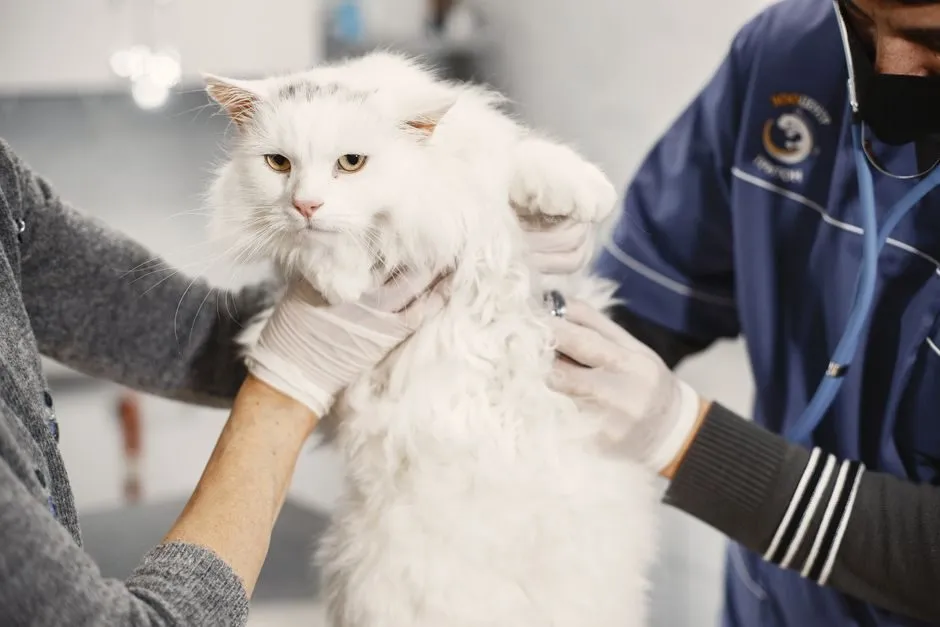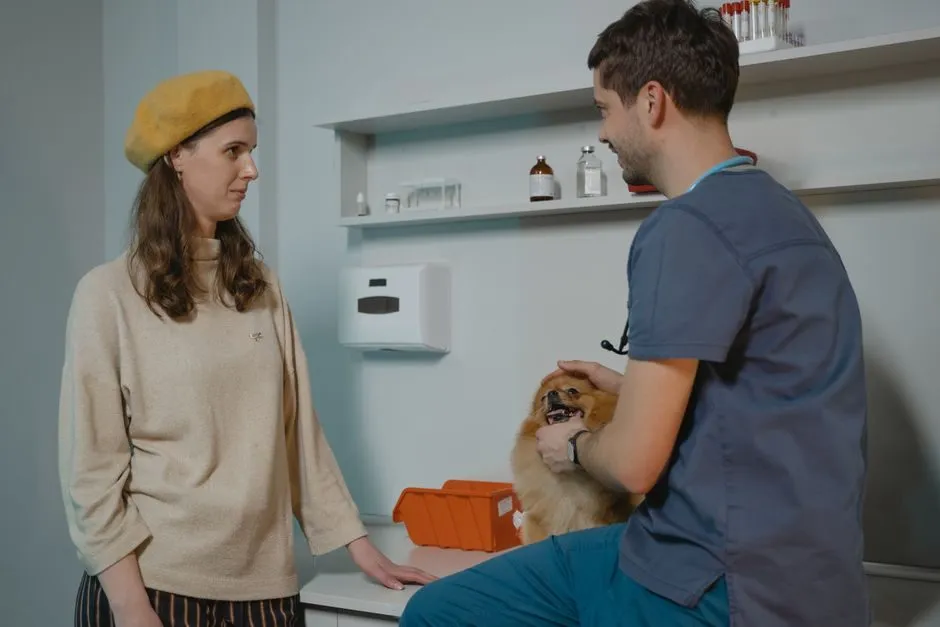

As the temperatures drop in Fayetteville and the nights become colder, pet owners face a new set of challenges in keeping their dogs and cats safe. Winter brings unique hazards that can quickly turn into emergencies, especially for pets unaccustomed to icy conditions, sudden temperature changes, or unfamiliar winter substances. At LocalVet Urgent Care Fayetteville, our veterinary team understands how stressful it is when your pet faces a sudden health crisis after hours or on weekends. That is why we welcome walk-ins and provide immediate care, no appointment needed, when your regular veterinarian is closed or unavailable. In this guide, we will help you recognize the signs of winter-related pet emergencies, explain the most common cold weather dangers, and provide advice on when to seek urgent veterinary care right here at 2559 E. Huntsville Rd., Fayetteville, AR 72701. Whether your pet slips on ice, ingests a toxic substance, or shows worrisome symptoms after being out in the cold, our compassionate veterinary professionals are here to help every day of the week.
Spotting Signs of Cold Weather Pet Emergencies
Recognizing an emergency early can make all the difference in your pet’s outcome. During the winter, dogs and cats may face life-threatening situations from the cold itself or from hazards unique to the season. Key symptoms that indicate a cold weather emergency include shivering that does not resolve with warming, sudden weakness or collapse after outdoor exposure, pale or blue gums, severe lethargy, difficulty breathing, and disorientation. Other warning signs are frostbitten ears, paws, or tails—which may appear pale, hard, or painful to the touch—as well as persistent vomiting or diarrhea after ingesting something outside.
It is also important to watch for signs of injury such as limping, bleeding, or apparent pain after slipping on ice or running through frozen terrain. Ingestion of antifreeze, ice melt, or other household chemicals commonly used during winter can cause symptoms like drooling, vomiting, seizures, or sudden changes in behavior. If your pet is nonresponsive, breathing abnormally, or showing any of these symptoms, immediate veterinary care is critical. For more details on specific injury treatments, you can read about veterinary treatment for pet injuries that may occur during cold-weather activities or winter hazards.
Why Cold Weather Emergencies Occur in Fayetteville
Winter in Northwest Arkansas can bring sudden temperature shifts, icy conditions, and unexpected snow or sleet. These changes put dogs and cats at risk for hypothermia, frostbite, and accidental ingestion of hazardous substances. Short-haired, elderly, and very young pets are particularly vulnerable, as are animals with certain medical conditions like diabetes or heart disease. Even pets with thick coats can suffer if they become wet and cannot dry off, or if they are left outside longer than usual.
Slippery sidewalks, icy driveways, and frozen ponds can cause falls and injuries, while chemicals used to melt ice can be toxic if licked from paws or fur. Antifreeze is especially dangerous because it tastes sweet to pets but is deadly even in small amounts. Many emergencies happen in the evenings or on weekends when regular veterinary offices are closed, which is why LocalVet Urgent Care Fayetteville’s after-hours availability is so important for local pet owners.
How Our Veterinary Team Treats Cold Weather Emergencies
If your dog or cat arrives with symptoms of hypothermia, frostbite, or toxin ingestion, our urgent care veterinarians will act quickly to stabilize your pet. Treatment approaches for hypothermia involve gentle and gradual warming, intravenous fluids to correct dehydration or shock, and close monitoring of vital signs. For cases of frostbite, we focus on gradual warming of affected tissues, pain management, and supportive care to prevent complications. In the case of suspected or confirmed ingestion of antifreeze or ice melt, our team will use specific antidotes, induce vomiting if safe and appropriate, and provide intensive supportive care to protect your pet’s kidneys and other organs.
Injury management may include pain relief, wound cleaning, suturing, or even emergency surgery if there are broken bones or internal injuries. When time is critical, our emergency veterinary care for pets experiencing urgent or life-threatening conditions in Fayetteville ensures your pet receives fast diagnostics and treatment. We also offer in-house diagnostic services including X-rays, blood work, and point-of-care ultrasound for evaluating pet health emergencies, allowing us to make rapid decisions and start effective treatment right away.
Home Prevention and Care Tips for Winter Pet Safety
While not all emergencies can be avoided, there are steps you can take at home to reduce your pet’s risk during cold weather. Make sure your dog or cat always has access to a warm, dry shelter indoors, and limit outdoor time during the coldest hours, especially for pets with short hair or underlying health concerns. When walks are necessary, consider using pet-safe booties or paw balm to protect against ice and salt, and always wipe your pet’s paws, legs, and belly when coming back inside to remove any chemicals or ice melt residue.
Be cautious with antifreeze, keeping containers securely stored and cleaning up spills immediately. Use pet-safe ice melts whenever possible, and avoid letting your pet drink from puddles or melted snow, as these may contain toxins. Look out for signs of pain or injury after outdoor play, and monitor for any changes in appetite, behavior, or bathroom habits that may signal a problem. Keeping your pet well-groomed, but not shaved, helps maintain their natural insulation.
If you notice any signs of distress or symptoms that seem unusual—such as persistent shivering, extreme lethargy, or visible injuries—it is always safest to seek urgent veterinary care rather than wait and see.
When to Bring Your Pet to LocalVet Urgent Care Fayetteville
During the winter, many emergencies happen suddenly and require immediate attention. You should bring your dog or cat to LocalVet Urgent Care Fayetteville if they have been exposed to freezing temperatures for any length of time and are now weak, shivering, or nonresponsive. Additional situations that require urgent care include any signs of frostbite, ingestion of antifreeze or ice melt, injuries from slips or falls, and ongoing vomiting, diarrhea, or seizures. If your pet is struggling to breathe, collapses, or is bleeding heavily, do not delay seeking help.
We are open seven days a week, including evenings and weekends, specifically to help when your regular veterinarian is closed. Walk-ins are always welcome; no appointment is needed. Our central location at 2559 E. Huntsville Rd., Fayetteville, AR 72701 makes it easy to access urgent veterinary care for dogs and cats in Fayetteville and surrounding communities. For less urgent but still concerning symptoms, or if you have questions about what constitutes an emergency, our team is happy to help you decide if a visit is necessary.
What to Expect When You Arrive
When you bring your pet to LocalVet Urgent Care Fayetteville for a winter emergency, our veterinary team will quickly assess your pet’s condition and prioritize care based on severity. Diagnostics such as blood work, X-rays, or ultrasound may be recommended to determine the best course of action, all available on-site for fast results. Our veterinarians are experienced in managing emergencies like hypothermia, frostbite, toxin ingestion, and traumatic injuries. We communicate clearly about next steps and keep you informed throughout your pet’s treatment, so you always understand what is happening and why.
If your pet needs hospitalization or surgery, we will discuss your options and coordinate care as needed. Our goal is to stabilize your dog or cat quickly and provide the best possible outcome while offering empathy and support for you as a concerned pet owner.
Keeping Fayetteville’s Pets Safe This Winter
Winter emergencies can be frightening, but knowing what to watch for and how to act quickly can help keep your pets safe, warm, and healthy all season. If you suspect your dog or cat is experiencing a cold weather emergency, do not wait; walk-ins are welcome and our team is ready to help when your regular veterinarian is not available. For more information on same-day urgent care for dogs and cats experiencing vomiting, dehydration, injuries, and other urgent health concerns, visit our website or call us directly.
When searching for an emergency vet near me this winter, remember that LocalVet Urgent Care Fayetteville is committed to providing immediate, compassionate care for your pets—no appointment needed. Contact our veterinary professionals today at (479) 332-3546 or visit 2559 E. Huntsville Rd., Fayetteville, AR 72701 whenever you need urgent help for your dog or cat. Your pet’s safety and wellbeing are our highest priorities, every day and every season.